
When building work takes place close to a neighbouring property, concerns about damage are common. Cracks, movement, loose plaster, or changes to walls can easily become points of disagreement if there is no clear evidence of what existed before work began.
A Schedule of Condition provides essential protection by creating an independent record of a property’s condition before any work begins. This helps avoid disagreements later and gives both neighbours reassurance throughout the construction process.
At Faulkner Surveyors , we prepare detailed, impartial Schedule of Condition reports for homeowners, landlords, developers, contractors, and neighbouring property owners. By creating a reliable record before work starts, we help reduce the risk of disputes and make it easier to resolve any concerns quickly and fairly should they arise.
What Is a Schedule of Condition?
A Schedule of Condition is a detailed professional report that documents the existing state of a property before any nearby building work or alterations take place. It acts as important evidence by highlighting any existing damage, wear, or defects before construction takes place. The Complete Guide to Section 6 Excavation Notices
The report usually covers:
- Internal and external walls
- Ceilings
- Floors
- Roofs and chimneys (where accessible)
- Windows and doors
- Boundary walls
- Fences
- Paths and driveways
- Garages and outbuildings
- Existing cracks, defects and signs of movement
Each observation is carefully photographed and described to create an objective snapshot of the property at a specific point in time.
Unlike informal photographs taken by a homeowner, a professionally prepared Schedule of Condition is impartial, comprehensive, and far more useful if a disagreement arises.
Why Should Neighbours Agree to a Schedule of Condition Before Building Work Starts?
One of the biggest worries for neighbours is:
“How can I show that any damage was caused by the construction work and wasn’t already there before?”
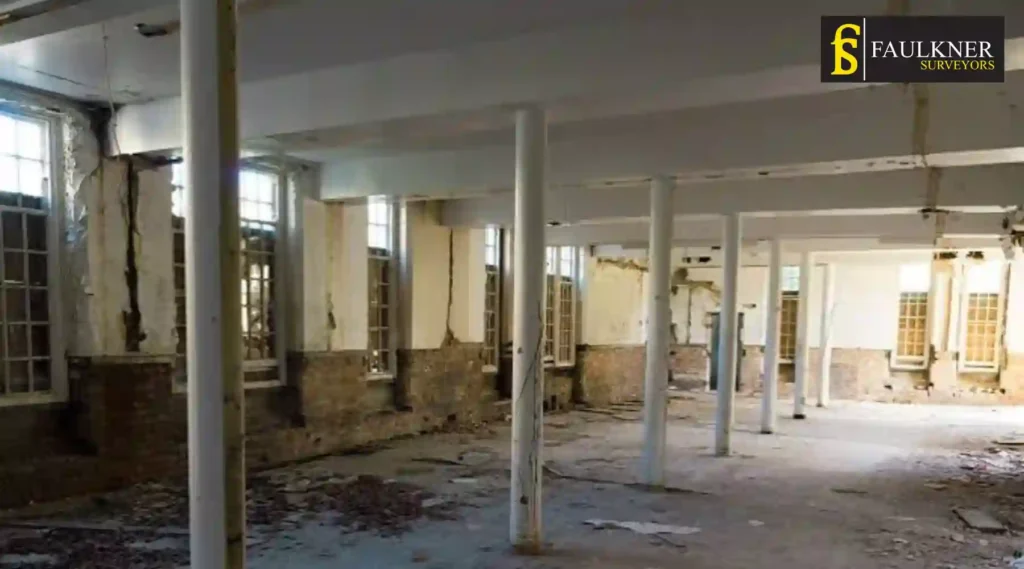
Without a clear record of the property’s previous condition, it can be challenging to prove whether damage is new or whether it was present before the work began.
Having a professional Schedule of Condition in place helps prevent disagreements by:
- Establishing clear evidence of the property’s original condition
- Highlighting pre-existing defects, cracks, and other visible issues before work begins
- Creating reliable evidence that can be referred to if concerns arise
- Helping prevent disagreements caused by misunderstandings
- Supporting a more positive and cooperative relationship between neighbours
For the building owner, it also demonstrates a willingness to act responsibly and transparently.
Both parties benefit because expectations are clear from the outset.
When Is a Schedule of Condition Most Useful?
Many people assume these reports are only needed for major developments, but they are valuable for a wide range of projects. Do I Need a Party Wall Agreement for a Basement or Cellar Conversion?
A Schedule of Condition is commonly recommended before:
- House extensions
- Loft conversions
- Basement excavations
- Structural alterations
- Demolition work
- Large refurbishments
- Commercial developments
- Party Wall works
- Excavations close to neighbouring buildings
The closer the construction is to neighbouring properties, the more valuable the report becomes.
We recommend arranging your Schedule of Condition survey with Faulkner Surveyors before contractors begin work, ensuring there is a reliable record of the property’s pre-existing condition.
How Does a Schedule of Condition Help Resolve Damage Claims?
Perhaps the greatest advantage of a Schedule of Condition is that it provides evidence rather than opinion.
If concerns arise during construction, everyone can compare the property’s current condition with the original report.
This helps answer important questions such as:
- Was this crack already present?
- Has an existing crack become larger?
- Is the damage unrelated to the building work?
- Does further investigation need to be carried out?
Instead of relying on memory or conflicting photographs, there is a professionally prepared record that both parties can refer to. Types of Party Walls: Characteristics and Differences
This often prevents disputes from escalating and allows genuine issues to be dealt with much more efficiently.

What Does Faulkner Surveyors Include in a Professional Schedule of Condition?
Every property is different, which is why a thorough inspection is essential.
Our Schedule of Condition reports are prepared with accuracy and clarity, helping all parties understand the property’s existing condition.
Depending on the property, a report may include:
- Detailed written observations
- High-quality dated photographs
- Location plans are where appropriate.
- Descriptions of existing defects
- Records of structural movement were visible.
- External elevations
- Internal rooms
- Boundary structures
- Permanent digital documentation for future reference
Because every report is prepared independently, both neighbours can have confidence that the information is fair, balanced and factual.
Our aim is not simply to produce paperwork but to provide reassurance throughout the building project.
Can a Schedule of Condition Prevent Costly Neighbour Disputes?
Although a Schedule of Condition cannot eliminate every possible dispute, it provides clear evidence that can help prevent misunderstandings and reduce unnecessary conflicts. Can A Neighbour Attach A Gate To My Wall: And What Your Options are, Legally.
Many disputes arise because people simply cannot remember what their property looked like before work started.
Small cracks, uneven brickwork or ageing plaster may only become noticeable once construction begins nearby.
With a detailed Schedule of Condition in place, any concerns can be assessed against clear evidence rather than assumptions or conflicting opinions.
This can help with:
- Finding solutions to issues more quickly
- Avoiding unnecessary legal expenses
- Maintaining positive neighbour relationships
- Keeping building projects on schedule
- Giving all parties greater peace of mind
For property owners investing in building work, the relatively small cost of a professional report can prevent far larger expenses later.
Why Choose Faulkner Surveyors for Your Schedule of Condition?
Choosing an experienced surveying practice is just as important as deciding to have the report prepared.
At Faulkner Surveyors , we recognise that construction work can impact more than just the property owner. Our professional Schedule of Condition reports give neighbours peace of mind that their property has been accurately recorded, while providing homeowners with confidence that any future concerns can be reviewed fairly and objectively.
At Faulkner Surveyors , our service includes:
- Independent and unbiased property assessments you can rely on.
- Comprehensive records documenting the existing condition of your property.
- Professionally written reports that clearly explain our findings and recommendations.
- Practical support throughout every stage of the process
- Flexible scheduling to ensure inspections take place before work starts
- Expert advice on Party Wall procedures and neighbour-related concerns
Whether you are carrying out an extension, loft conversion, basement excavation, or major development, a professionally prepared Schedule of Condition helps protect all parties and provides confidence before work begins.
Protecting neighbouring relationships is often just as valuable as protecting the building itself—and a professionally prepared report from Faulkner Surveyors helps achieve exactly that.

Frequently Asked Questions
Q: Can a neighbour refuse access for a Schedule of Condition survey?
Although a neighbour is not always required to provide access without a legal agreement, allowing a Schedule of Condition survey can actually work in their favour. It gives them clear evidence of the property’s condition before construction starts, helping protect their interests if any concerns about damage arise later.
Q: Will a Schedule of Condition prove that my building work caused damage ?
Not on its own. The report records the property’s condition before construction starts. If damage is later reported, surveyors can compare the new condition with the original record to help determine whether the building work may have contributed to the damage.
Q: How long does it take to prepare a Schedule of Condition ?
A Schedule of Condition inspection usually takes a few hours, although this can vary depending on the size and complexity of the property. The surveyor will review the condition of the building, record any existing damage, and produce a detailed report with photographs before any nearby works commence.
Q: Is a Schedule of Condition worthwhile for small home extension projects?
Yes. Even relatively small projects such as rear extensions, loft conversions or garage conversions can lead to concerns about cracking or movement. Having a professional record before work starts provides reassurance for both homeowners and neighbouring properties, regardless of the project’s size.
Q: What should I do if my neighbour reports damage after my project has finished ?
Rather than dismissing the concern, check the alleged damage against the original Schedule of Condition. If questions remain, a qualified surveyor can carry out an independent inspection to determine what has changed and help find a practical way to resolve the issue.
Q: What happens if no Schedule of Condition is carried out before building work starts?
Without a Schedule of Condition, it can be difficult to establish whether cracks or other defects existed before construction began. This can lead to disagreements between neighbours, delays in resolving claims, and potentially higher legal or repair costs.
For Further Information, Please Call Us Today 03300100262