

A Party Wall Award can look like a complicated legal document when it first lands on your desk. There may be surveyor details, schedules of condition, drawings, access arrangements, working hours and a long list of rules to follow.
For many homeowners, the obvious question is: “What does all of this actually mean?”
If you’re planning an extension, loft conversion, basement project or building work near a neighbour’s property, understanding your Party Wall Award can help prevent costly delays, disputes and surprises.
Here is a straightforward, line-by-line look at what a Party Wall Award means and the problems it is designed to prevent.
What Is a Party Wall Award and When Do You Actually Need One?
A Party Wall Award is a legally recognised document prepared by Party Wall Surveyors in accordance with the Party Wall etc. Act 1996. It sets out how certain building works should be carried out where they could affect a shared wall, boundary or neighbouring property.
It is particularly relevant where proposed works involve:
- Building on or near the boundary
- Cutting into or altering a party wall
- Excavating close to a neighbouring building
- Constructing a new wall on or near the boundary
- Works that could potentially cause damage to an adjoining property
One common misunderstanding is that a Party Wall Award is simply permission from a neighbour. It is more than that. The Award establishes the rights and responsibilities of the parties and provides a framework for the work.
If your neighbour does not agree to the proposed work, it does not necessarily mean your project has to come to an end. The Party Wall Act provides a procedure for resolving the matter through surveyors. Removing a Chimney Breast: Your Party Wall Obligations
Getting the process right at the beginning can be considerably easier than trying to resolve a dispute after construction has started.

What Does a Party Wall Award Include? A Line-by-Line Breakdown
There is no single standard format for every Party Wall Award , but most Awards contain several important sections.
The parties involved
The Award sets out who the Building Owner is and identifies the neighbouring property owner who may be affected by the proposed works.
Getting names and property addresses correct is important because the Award applies to the identified parties and properties.
The proposed works
The Award explains what construction work is covered. This may refer to architectural drawings, structural information or other documents.
The wording should make it clear what works the Award relates to, rather than leaving everyone guessing about what the builder can and cannot do.
Surveyor appointments
The Party Wall Award will confirm which surveyor, or surveyors, have been appointed to handle the matter.
The Building Owner and Adjoining Owner can sometimes agree to appoint a single Agreed Surveyor.
Alternatively, each owner can appoint their own Party Wall Surveyor to represent their interests and work together on the Award.
Schedule of Condition
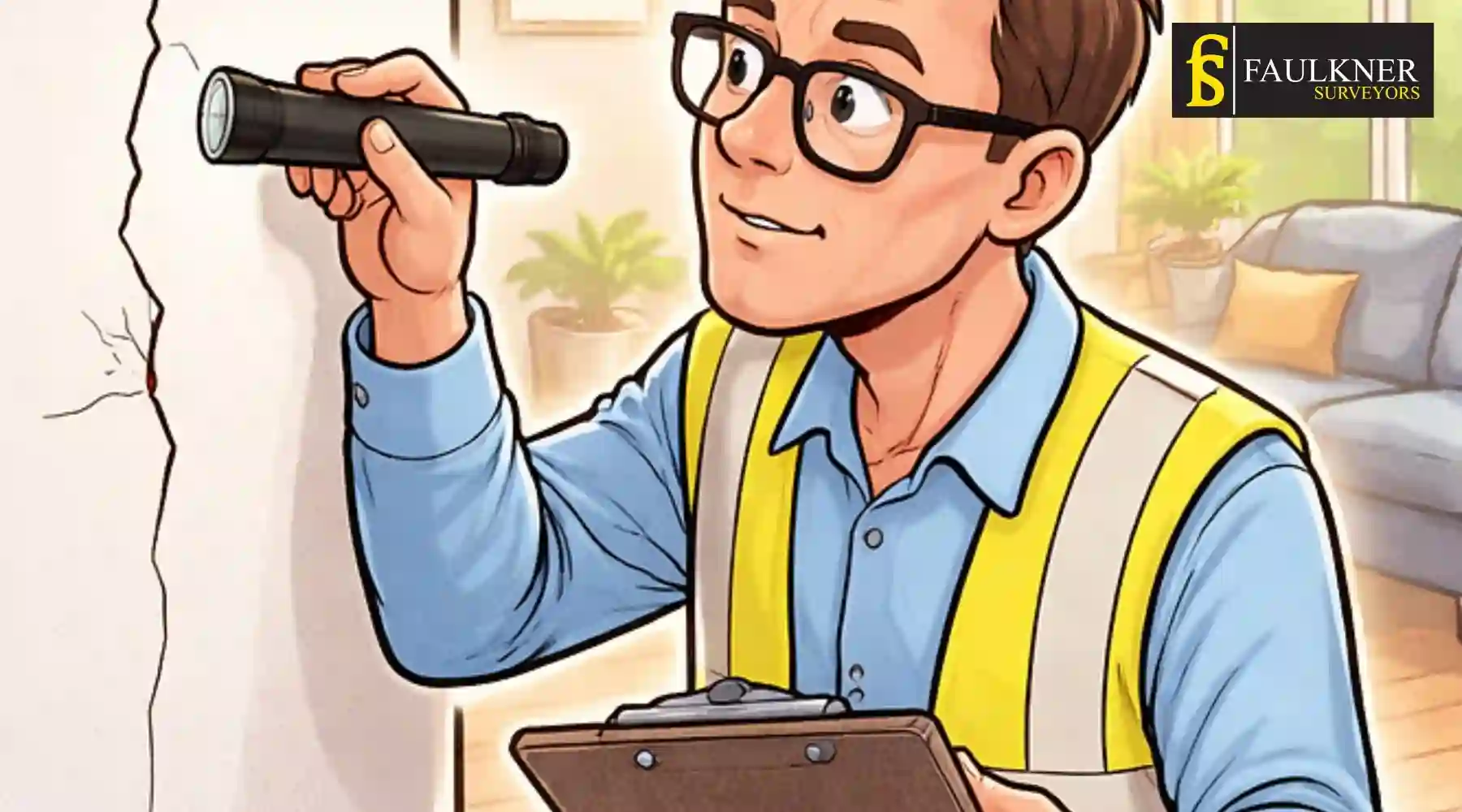
A Schedule of Condition documents the existing state of the adjoining property before construction starts.
It can include photographs and written descriptions of existing cracks, defects or other visible issues.
This is particularly useful if a neighbour later believes construction has caused damage. The record provides evidence of what the property looked like beforehand.
Rights of access
Some building projects require access to neighbouring land or property. Where appropriate, the Award can set out arrangements for access.
This can prevent arguments later about when contractors can enter, what they can do and how access should be managed.
Working conditions
The Award may include requirements concerning working practices, protection of adjoining property, working hours and other reasonable conditions.
These details are there to reduce disruption and help protect both properties while construction takes place.
Costs and fees
Party Wall Surveyors’ fees are another important part of the Award.
Generally, where the works are solely for the Building Owner’s benefit, the Building Owner will often be responsible for reasonable Party Wall costs. However, responsibility for costs depends on the circumstances and should be assessed according to the particular case.
This is one reason it is better to understand the Award rather than simply sign it without reading the details.

Who Pays for the Party Wall Surveyor and How Much Could It Cost?
Party Wall costs are one of the first things homeowners usually want to understand.
In many situations, the Building Owner is responsible for covering the reasonable fees of the Adjoining Owner’s surveyor when the Party Wall process is triggered by their proposed works.
However, there is no universal fixed price for a Party Wall Surveyor. Party Wall Issues for Flat Conversions: A Practical Guide for Property Owners
The cost can depend on:
- The complexity of the proposed works
- The number of adjoining properties involved
- Whether one or two surveyors are appointed
- Whether disputes arise
- The amount of documentation required
- Whether further inspections become necessary
Trying to save money by ignoring the Party Wall process can prove much more expensive if problems arise later.
A properly prepared Award gives everyone a clearer understanding of what is expected before construction begins.
What Happens During the Party Wall Survey and What Will Your Surveyor Check?
A Party Wall Surveyor is not simply checking whether your extension looks acceptable.
The surveyor considers the relationship between the proposed works and the adjoining property.
Depending on the project, this can include reviewing drawings and structural information, considering excavation depths, assessing the potential effect on adjoining structures and recording the existing condition of neighbouring property.
For the adjoining owner, the Schedule of Condition is particularly valuable.
Imagine your neighbour starts construction and several weeks later you notice a crack in your wall. Without a reliable record of the property’s previous condition, establishing whether the crack was new can be difficult. Party Walls and New Builds: What Developers Need to Know Before Construction Starts
A detailed Schedule of Condition can help provide a useful point of comparison.
The aim is not to prevent reasonable building work. It is to make sure the work is properly managed and that neighbouring property is treated fairly.

What If You Disagree With the Party Wall Award or Think Something Is Wrong?
Receiving a Party Wall Award does not mean you should ignore something that appears incorrect.
If you believe the Party Wall Award contains an error, fails to accurately reflect the proposed works, or has been incorrectly applied, it is important to seek professional advice as soon as possible.
There are circumstances in which an Award can be appealed, but strict procedures and time limits can apply.
The important point is not to wait until construction is well underway before raising concerns.
Likewise, a Building Owner should not assume that an Award gives unlimited freedom to change the project.
If the actual construction differs materially from the works described in the Party Wall documentation, further advice may be required. Schedule of Condition: What It Is and Why It Protects Both Neighbours
What Happens After a Party Wall Award Is Served? Your Rights and Responsibilities
Once the Award has been properly made and served, both owners have responsibilities.
The Building Owner should carry out the authorised works in accordance with the Award and comply with any conditions attached to it.
The adjoining owner should allow any access or other rights provided for by the Award, subject to the terms that have been established.
If damage occurs during the works, the Party Wall procedure can provide a mechanism for dealing with the issue.
Importantly, the Award does not replace good communication.
Keeping neighbours informed about significant changes, unexpected problems or particularly disruptive stages of construction can prevent relatively small issues from becoming major disagreements.
A Party Wall Award is there to establish a formal framework, but sensible communication can make the construction process considerably easier for everyone.
How Faulkner Surveyors Can Help You Avoid Costly Party Wall Problems
Party Wall matters can become stressful when homeowners are unsure what notices are required, whether an Award is necessary or what their responsibilities actually are.
Faulkner Surveyors can help property owners and adjoining owners navigate the Party Wall process with practical, professional advice.
Planning construction work or dealing with a Party Wall Notice from your neighbour? Taking advice early can give you a clearer idea of what the proposed work means for your property.
Faulkner Surveyors can assist with Party Wall matters including the preparation and administration of Awards, survey work, Schedules of Condition and dealing with issues that arise between Building Owners and Adjoining Owners.
The objective is straightforward: make the Party Wall process easier to understand and help reduce the risk of avoidable disputes, delays and unexpected problems.
If you are unsure whether your proposed building work falls within the Party Wall etc. Act 1996, it is sensible to seek professional advice before construction begins. How Do Construction Methods Affect Party Wall Requirements? A Homeowner’s Guide

Frequently Asked Questions
Q: Can I start construction if my neighbour has not responded to my Party Wall Notice ?
Not automatically. A neighbour failing to respond does not necessarily give you permission to begin. The next step will depend on the type of work, the notice period and whether surveyors need to be appointed.
Q: What happens if my neighbour won’t appoint a Party Wall Surveyor ?
Your neighbour’s refusal does not necessarily mean your building project has to stop. If they fail to appoint a surveyor when required, the appropriate surveyor may be appointed on their behalf so the Party Wall procedure can move forward.
Q: Can a Party Wall Award protect me if my neighbour causes damage during building work?
The Award can establish procedures and responsibilities relating to the authorised works and can be important evidence when dealing with damage. A Schedule of Condition is particularly useful because it records the property’s condition before construction.
Q: How long does a Party Wall Award remain valid?
The position can depend on the terms of the Award and the particular works. Party Wall Awards should not be treated as having an unlimited lifespan. If a project has been delayed or substantially changed, professional advice should be obtained before relying on an old Award.
Q: Can a Party Wall Award be changed or challenged after it has been agreed ?
An Award can potentially be challenged through the appropriate legal procedure, but strict time limits may apply. If you believe an Award is incorrect, seek advice as soon as possible rather than waiting until construction is underway.
Q: Do I still need a Party Wall Award if my building work seems minor?
Possibly. The size of the project alone does not determine whether the Party Wall Act applies. The nature and location of the proposed work are important. Even seemingly small works can fall within the Act if they affect a party wall, boundary or involve excavation covered by the legislation.
For Further Information, Please Call Us Today: 03300100262